Building a school operations platform - and knowing when to stop.
We validated the problem with more than 50 schools before building. The harder lesson was that confirming a problem and getting an institution to adopt the fix are different questions.
Visit Scool Panda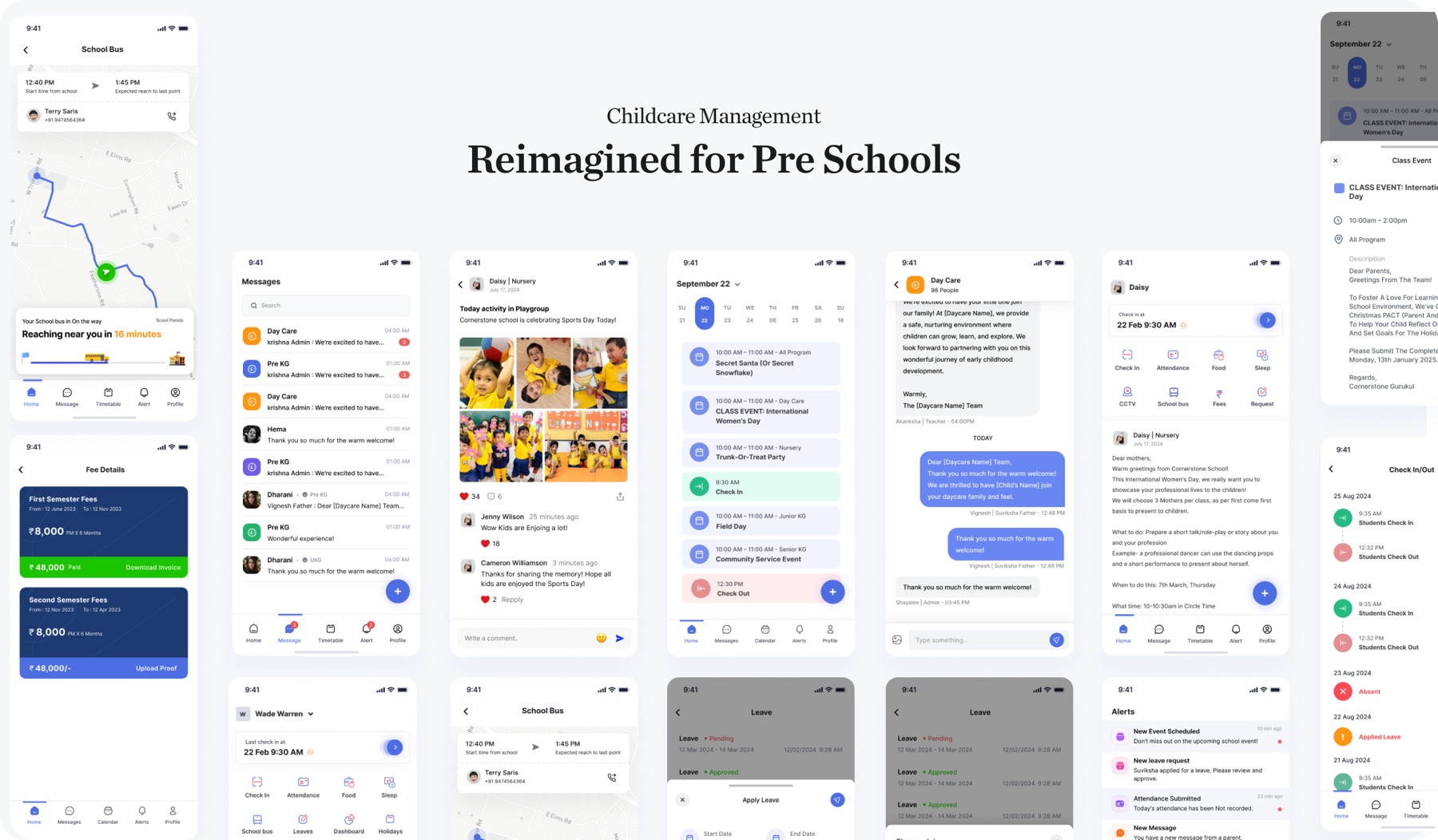
The product and operating context
As a parent, I saw school communication scattered across calls, paper diaries, messaging apps, and one-off notices.
The problem behind the request
Schools agreed the communication problem was real, but administrators moved slowly on new tools. Interest did not automatically translate into willingness to change or pay.
Ship the smallest connected loop before scaling the platform.
I focused the first release on attendance and notices across parent, teacher, and administrator experiences, then returned to market conversations rather than hiding behind additional features.
From decision to shipped system
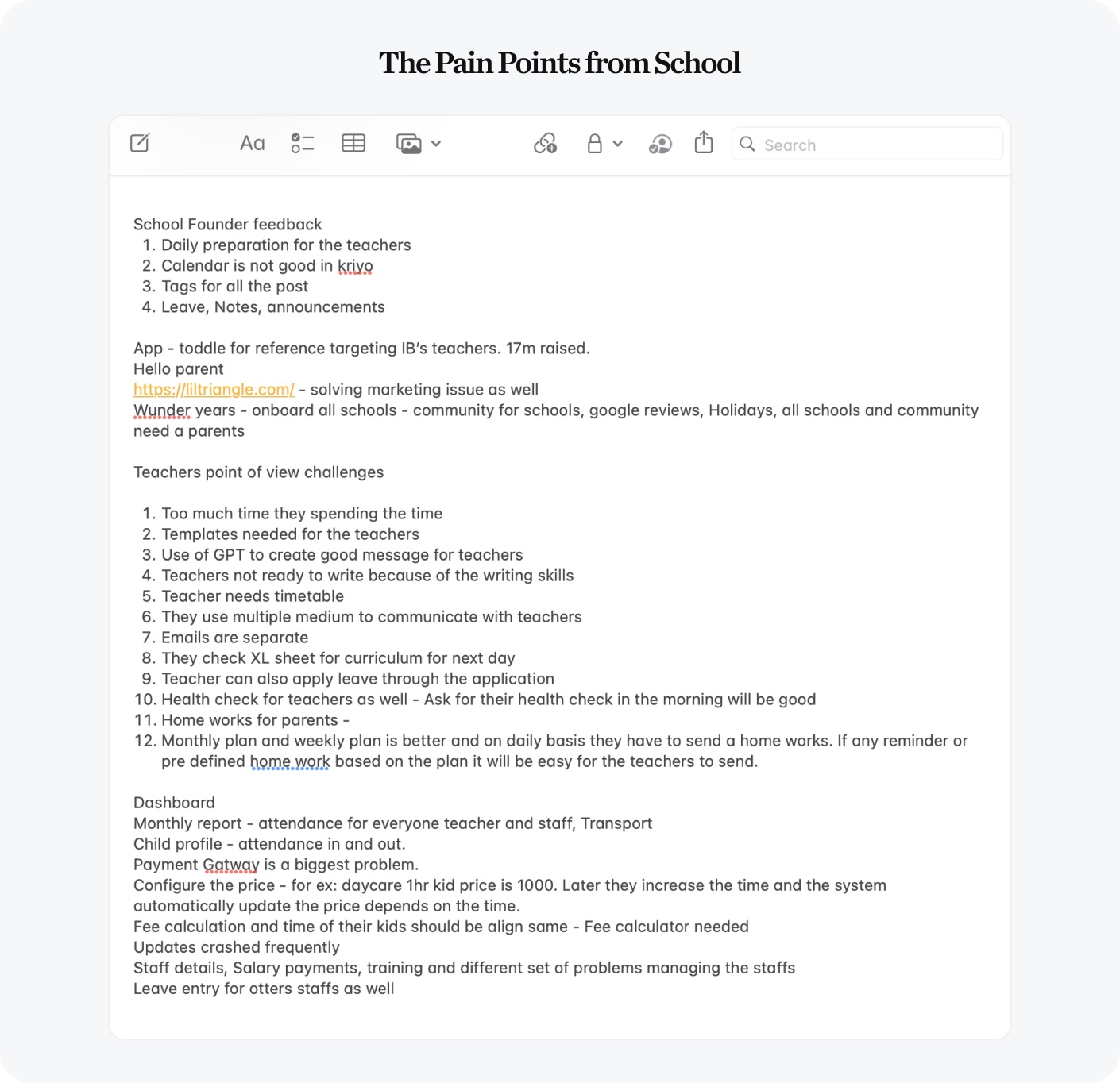
- Interviewed more than 50 schools before designing the product.
- Owned product and design end to end and sourced a distributed development team.
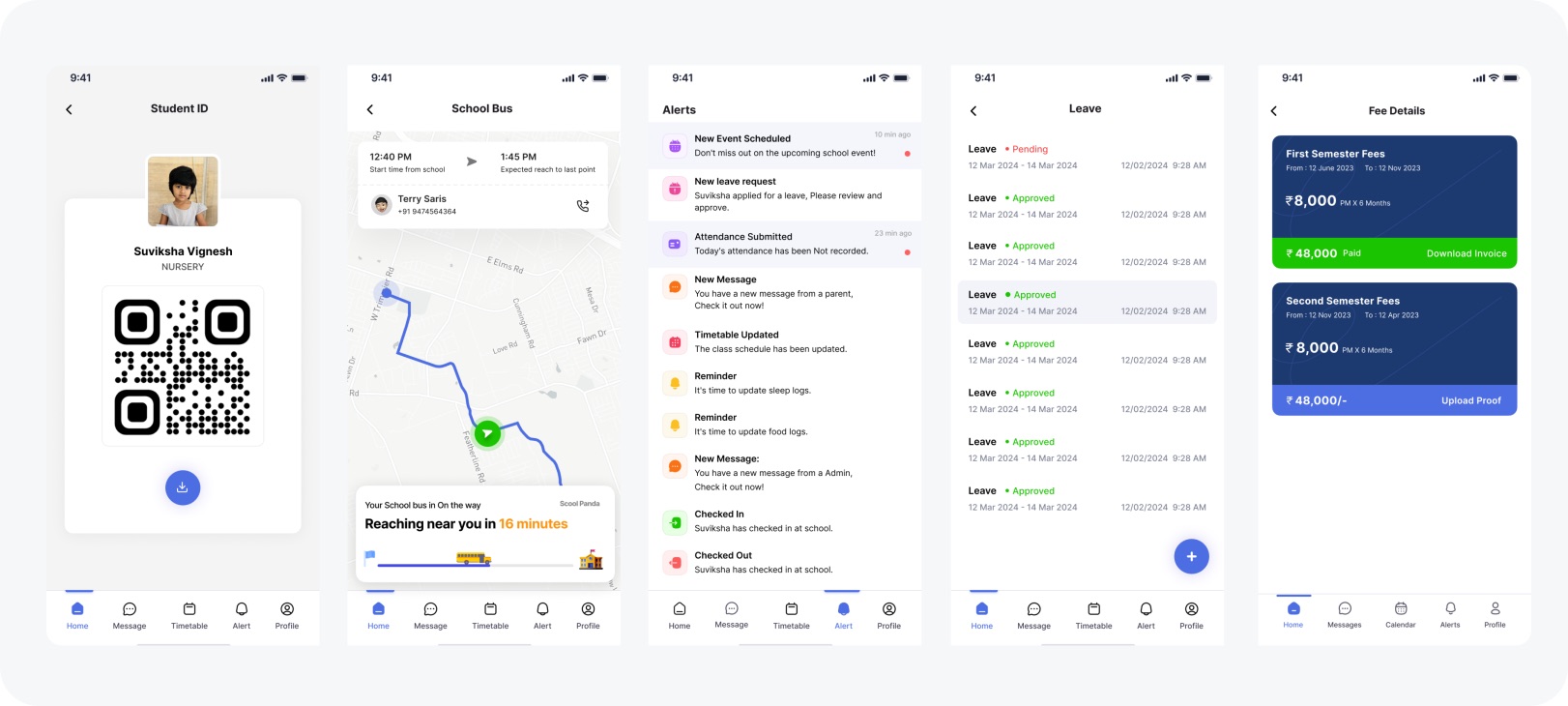
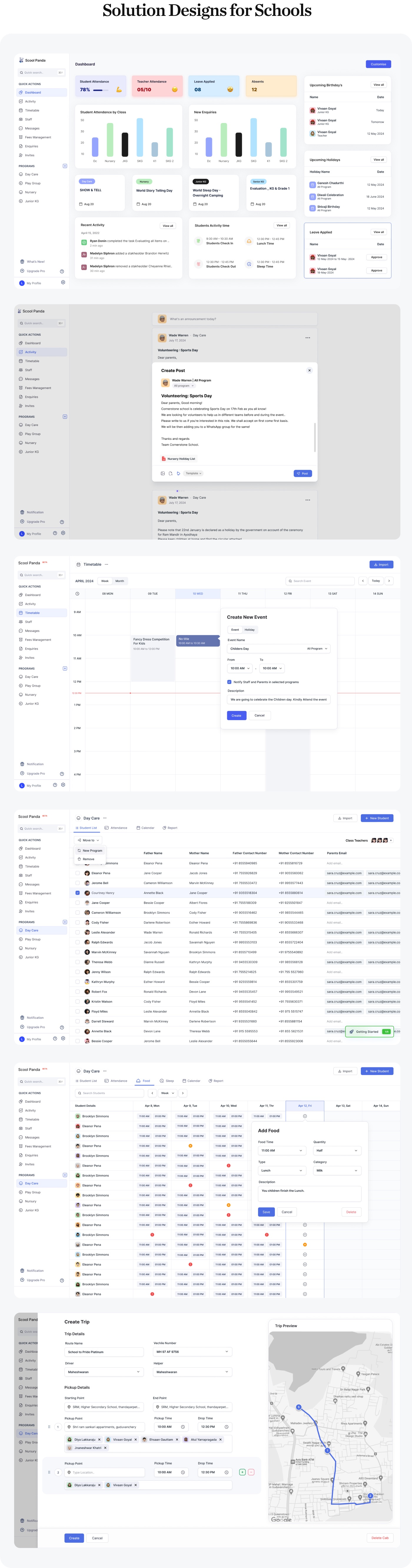
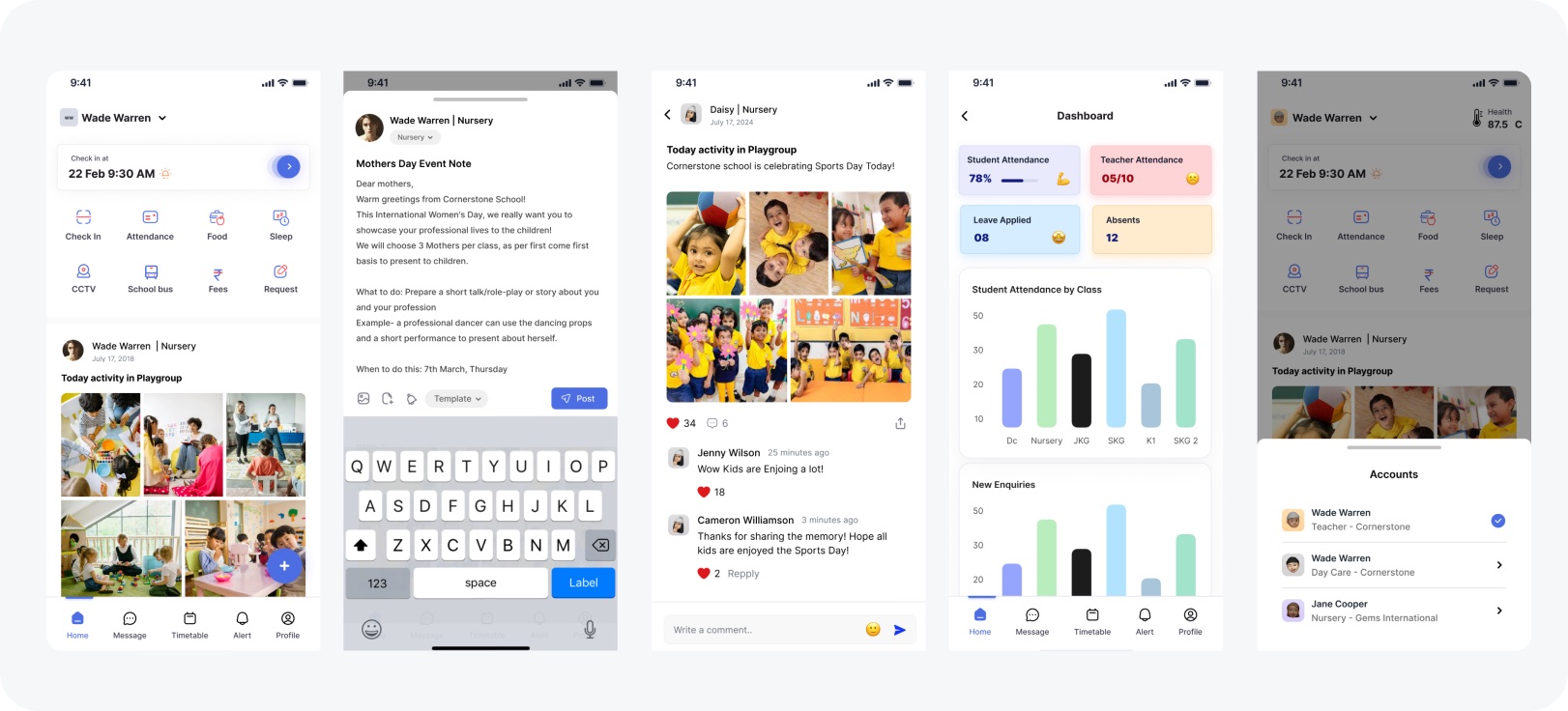
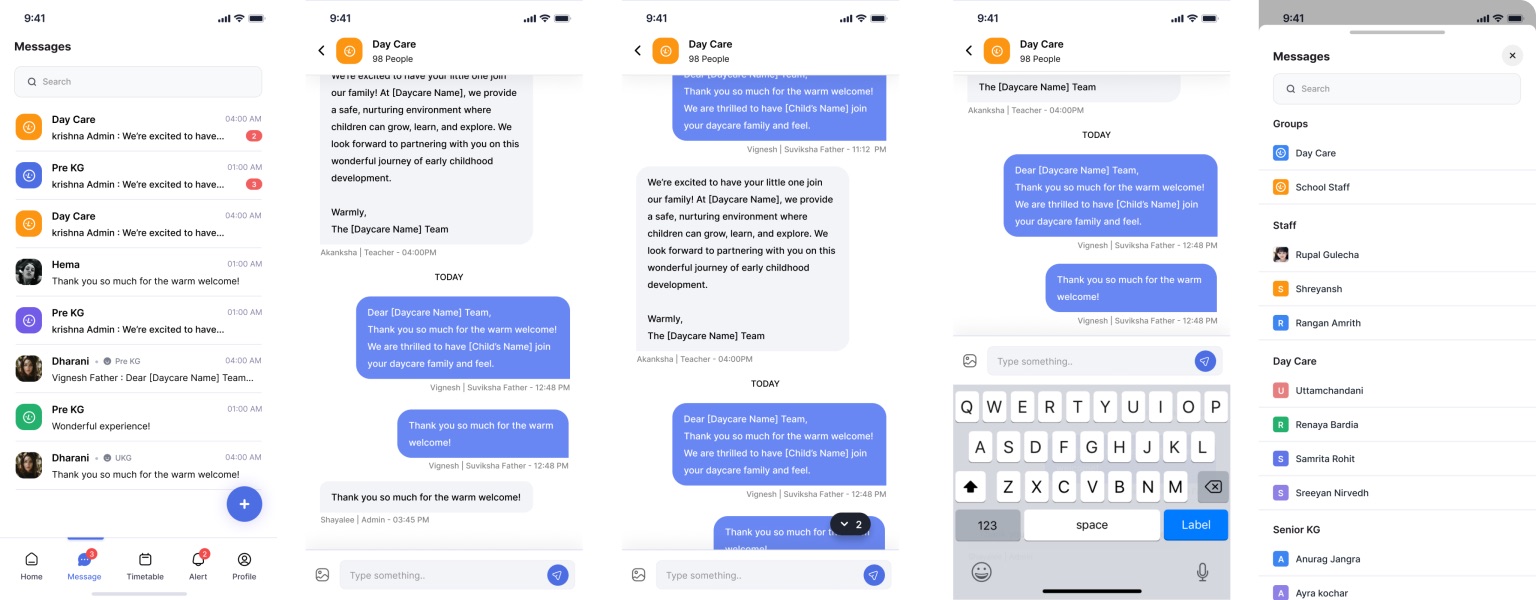
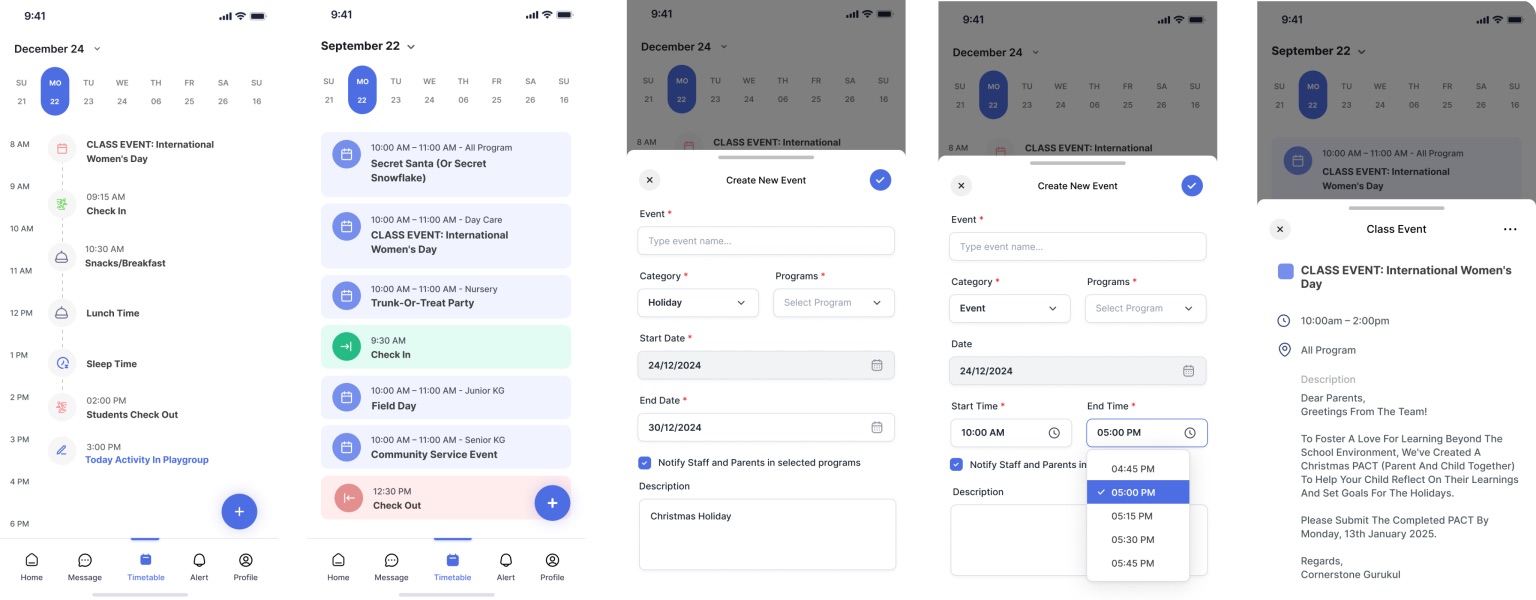
- Designed parent mobile, teacher mobile, and administrator web as one connected system.
- Ran founder-led sales across India, the US, and the UK.
The work, in context
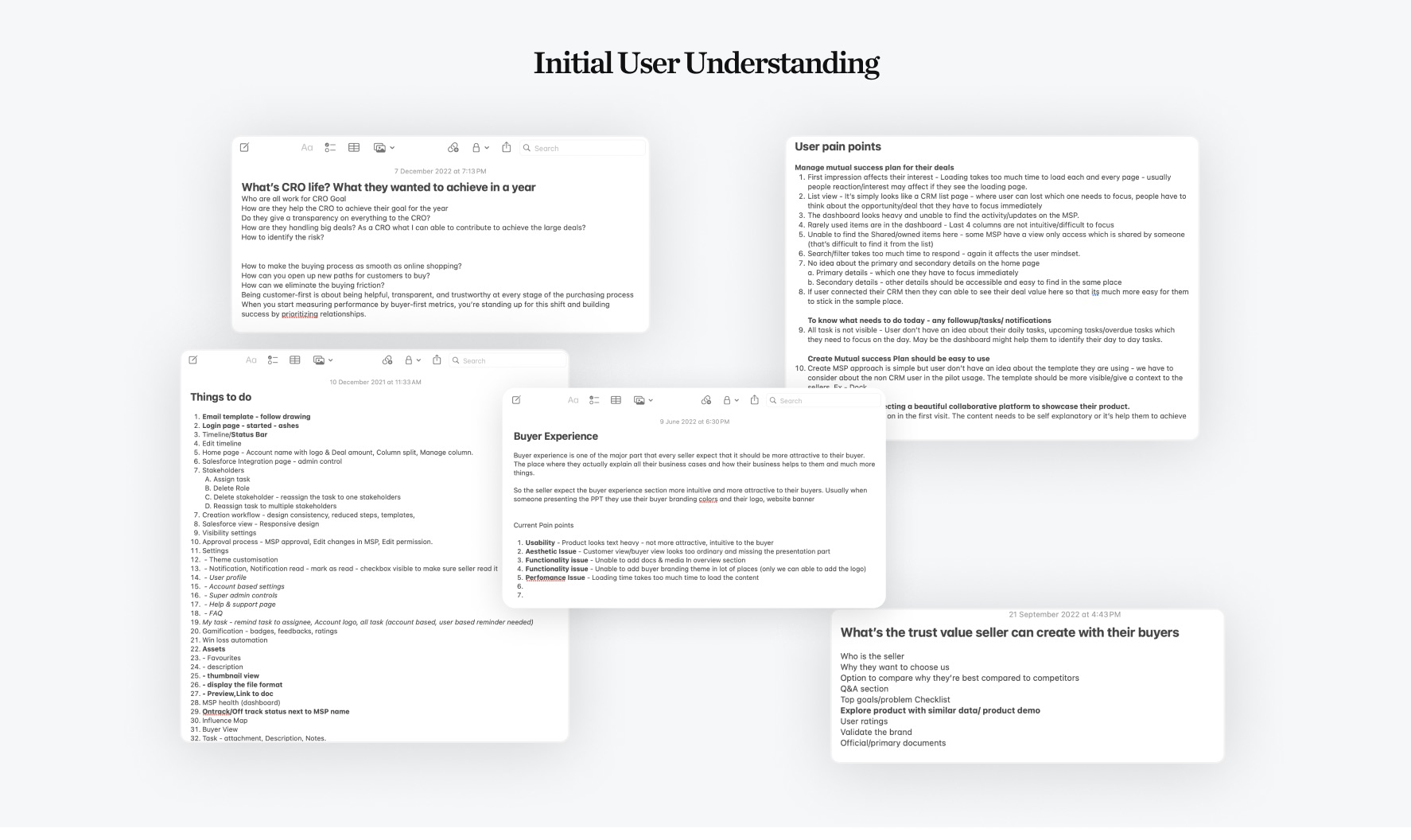
Selected full-product views establish the system. Focused frames show the decisions and interactions that made the direction real.
What changed
The product shipped, but adoption in India was not strong enough to justify scaling. I chose to wind down rather than mistake feature completeness for product-market fit.
Validation does not guarantee adoption. I now test willingness to change, buying authority, and procurement behavior much earlier - not only whether users recognize the problem.